

في هذا المقال
The Magic of Storytelling: How Children's Literature Shapes Young Minds
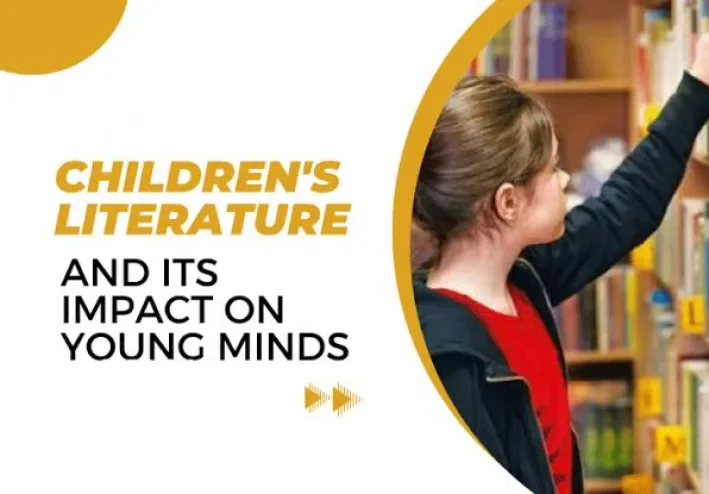
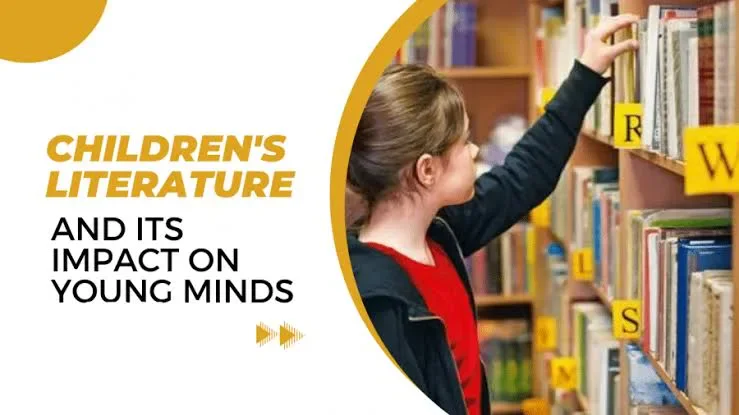
Children's stories hold a unique and transformative power in shaping the minds, hearts, and imaginations of young readers. From the very first bedtime stories read aloud by parents to the adventurous chapter books explored by independent readers, literature serves as a magical gateway to new worlds. These narratives are not merely sources of entertainment; they are essential tools for cognitive development, emotional growth, and moral understanding. Through captivating characters, whimsical settings, and engaging plots, children learn to navigate the complexities of the world around them in a safe and supportive environment.
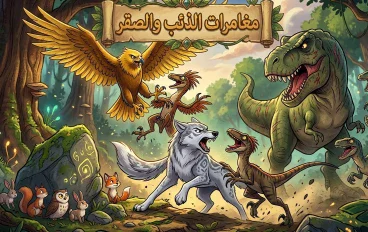
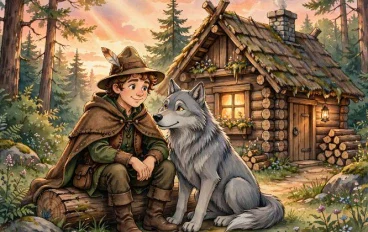
One of the most significant benefits of children's literature is its profound impact on language acquisition and literacy skills. When children are regularly exposed to stories, they encounter a rich vocabulary and diverse sentence structures that far exceed everyday spoken conversation. This early exposure enhances listening comprehension, expands their expressive vocabulary, and lays a solid foundation for future academic success. Furthermore, vibrant illustrations paired with text help young learners make connections between visual cues and written words, boosting their reading confidence and sparking a lifelong love for books and independent learning.
Beyond academic benefits, children's stories play a critical role in emotional development and empathy building. Characters in stories often face fears, make mistakes, experience joy, and overcome challenges, mirroring the emotional ups and downs that young readers experience in their own lives. By identifying with these characters, children learn to recognize, understand, and manage their own emotions. More importantly, reading about the lives of diverse characters—whether they are animals in a forest or children from different cultures—cultivates deep empathy, teaching young minds to appreciate perspectives and experiences vastly different from their own.
Moral lessons and ethical values are woven seamlessly into the fabric of timeless children's tales. Stories have long been used as a gentle method to teach children about kindness, honesty, perseverance, sharing, and courage without resorting to direct lecturing. When a beloved protagonist learns a difficult lesson about telling the truth or helping a friend in need, the young reader absorbs that lesson organically. These narrative morals provide a moral compass, helping children develop a strong sense of right and wrong as they interact with peers, family members, and their broader community.
The imagination is another boundless realm nurtured by children's literature. In an era dominated by screens and pre-animated digital content, reading requires children to actively construct mental images of the story's universe. When a book describes a floating castle, a talking forest, or a rocket ship made of cardboard boxes, the child's mind brings those elements to life. This creative visualization fosters innovative thinking, problem-solving skills, and out-of-the-box imagination, empowering children to envision possibilities that do not yet exist in their immediate physical reality.
Ultimately, children's stories create unbreakable bonds of connection and shared experiences between adults and young ones. The quiet ritual of reading together before bedtime offers a comforting space for communication, security, and emotional warmth. These shared literary moments build lasting memories and encourage children to ask questions, discuss complex ideas, and express their thoughts freely. As parents and educators hand down classic tales and introduce new narratives, they pass on a rich cultural heritage and empower the next generation to write their own bright futures.
تابع جديد Mohamed Talaat
اختر إشعارات الموقع أو البريد أو الاثنين. الزائر يقدر يشترك ببريده دون تسجيل حساب.
الإبلاغ عن المقال
لو لاحظت مشكلة في المحتوى، أرسلها لفريق المراجعة. لن تظهر بياناتك لكاتب المقال أو للقراء.
تعذّر إرسال البلاغ الآن. حاول مرة أخرى لاحقًا.
سجّل الدخول لإرسال بلاغ




النقاش
التعليقات (0)
فكرة تضيفها، أو سؤال يفتح حوارًا.
الرجاء تسجيل الدخول لتتمكن من التعليق