


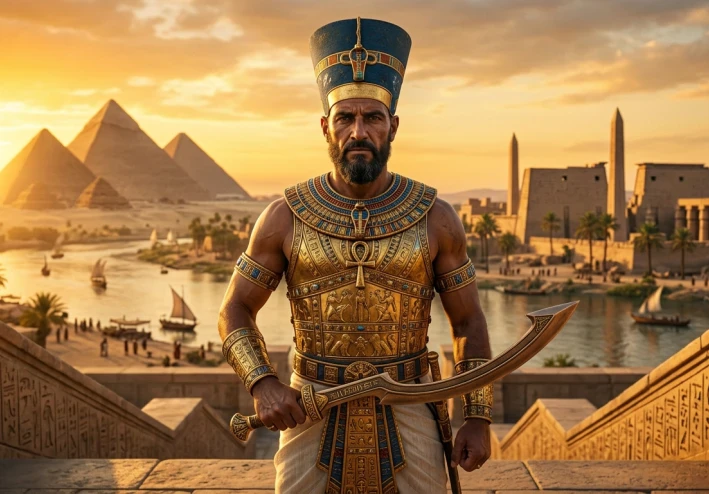
Pharaoh Ahmose I: The Hero Who Drove Out the Hyksos and Began Egypt's Golden Age
Pharaoh Ahmose I: The Hero Who Restored Egypt's Glory
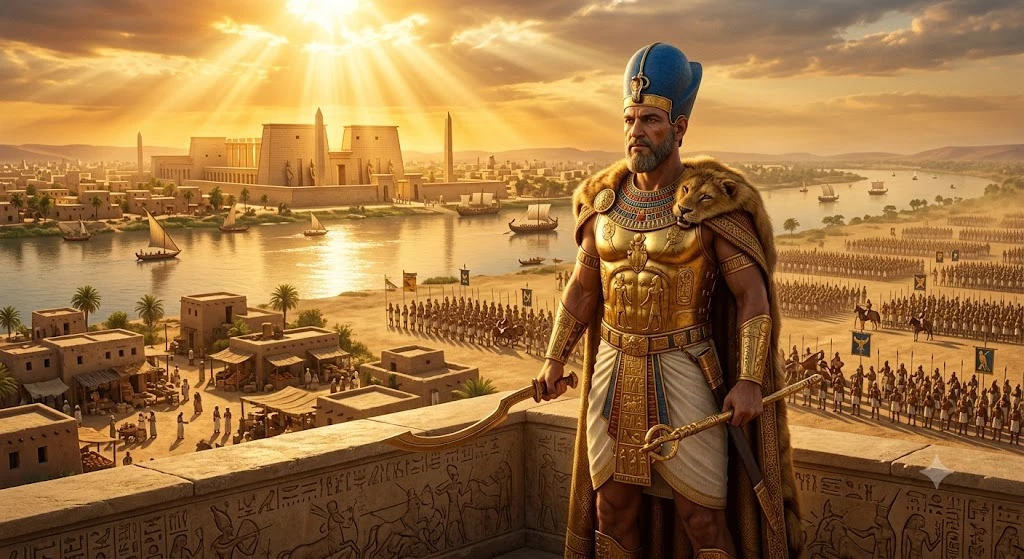
When discussing the greatest rulers of ancient Egypt, Pharaoh Ahmose I is always among the first names mentioned. He was far more than a king—he was a brilliant military commander and a national hero who completely changed Egypt's destiny. At a time when the Hyksos occupied northern Egypt and the country was divided and weakened, a young prince emerged with a single mission: to free his homeland and restore its strength and prestige.
Ahmose's journey was filled with fierce battles and enormous challenges, but through determination, courage, and exceptional leadership, he achieved what many believed was impossible. His victories laid the foundation for the New Kingdom, one of the most powerful and prosperous periods in Egyptian history, producing legendary pharaohs such as Thutmose III, Amenhotep III, and Ramesses II.
The Early Life of Ahmose
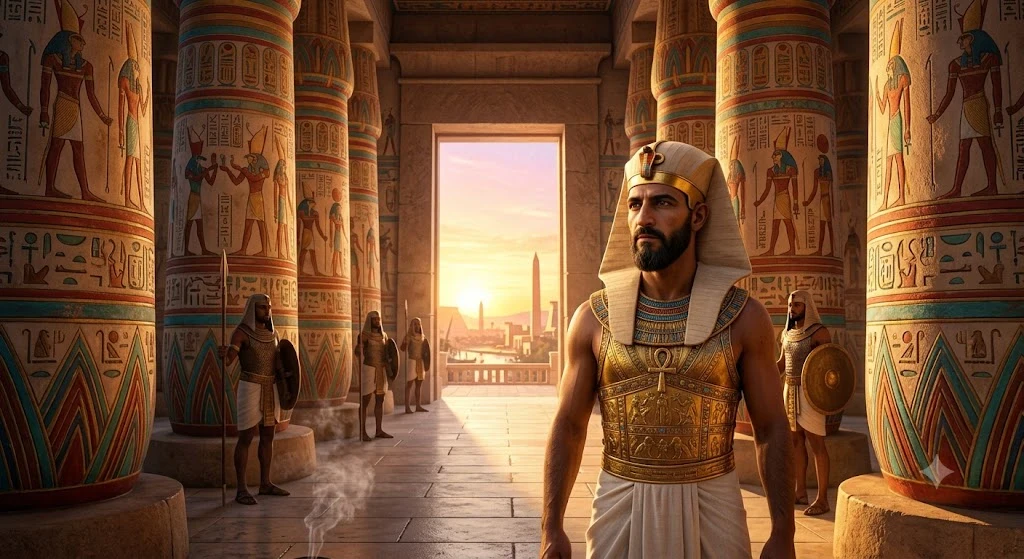
Ahmose was born into the royal family in Thebes. He was the son of King Seqenenre Tao II and Queen Ahhotep I. His father was killed while resisting the Hyksos occupation, and his older brother Kamose continued the war but died before achieving complete victory.
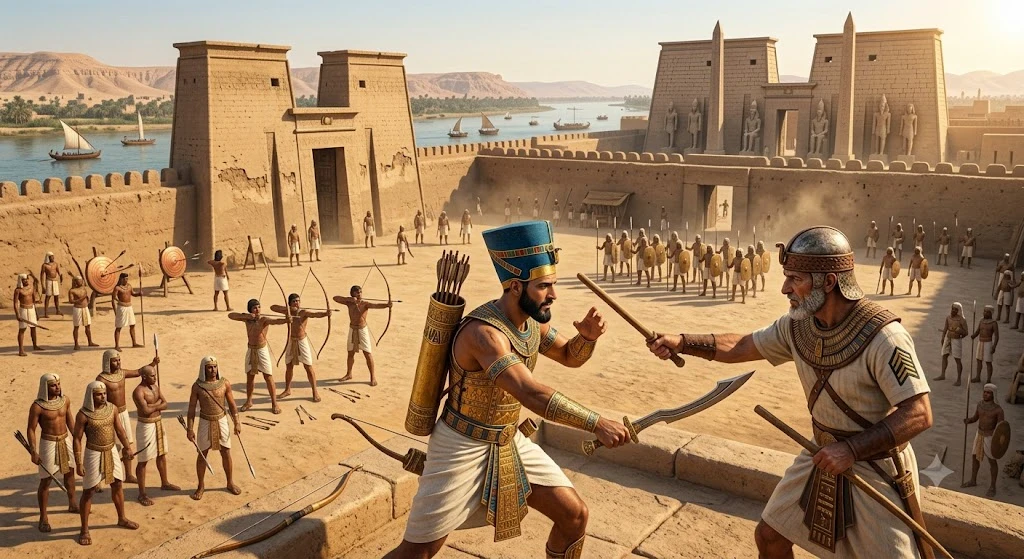
When Ahmose became king, he was still very young. Despite his age, he possessed remarkable determination and leadership. He immediately began strengthening Egypt's military by training soldiers, improving weapons, and preparing for the decisive campaign that would determine the nation's future.
The Greatest Achievement: Expelling the Hyksos
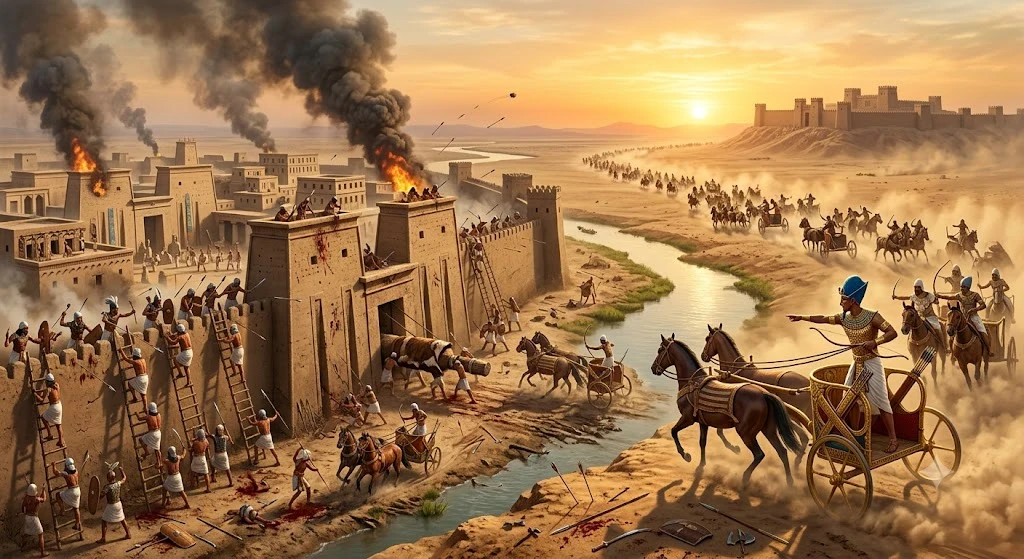
Ahmose's greatest accomplishment was ending the Hyksos occupation, which had lasted for many years. He launched a series of military campaigns toward northern Egypt, leading fierce battles with highly trained troops and advanced war chariots.
After several victories, he besieged the fortified city of Avaris, the Hyksos capital. Following a prolonged siege, the city fell, forcing the Hyksos to flee Egypt.
However, Ahmose refused to stop there. He pursued the remaining Hyksos forces all the way to Sharuhen in southern Palestine, where he defeated them completely, ensuring they would never again threaten Egypt.
This victory marked a turning point in Egyptian history, ending foreign occupation and beginning a new era of unity, stability, and prosperity.
Reuniting Egypt
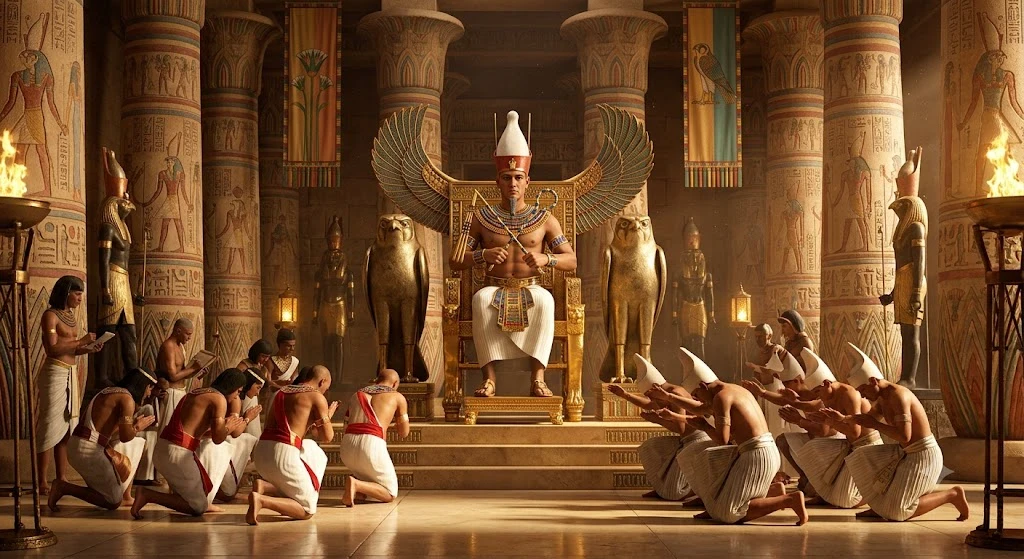
Following his military success, Ahmose reunified Upper and Lower Egypt under one strong government. He reorganized the administration, appointed capable officials, and restored law and order after years of conflict.
He also reopened important trade routes with Nubia and the Levant, allowing wealth, valuable resources, and international commerce to return to Egypt, greatly strengthening the nation's economy.
Building a Strong Egyptian Army
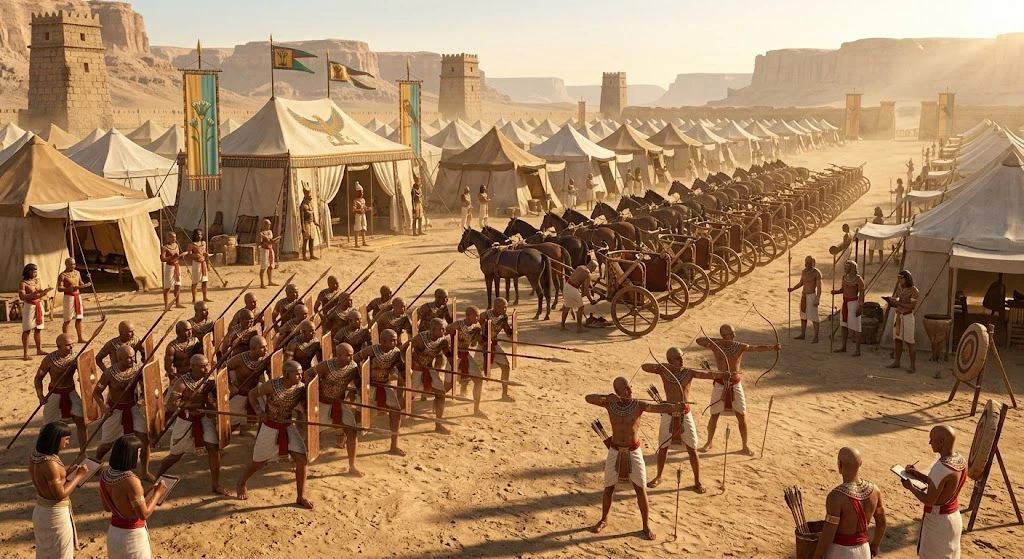
Ahmose understood that a nation's strength depended on its military. He transformed the Egyptian army into a disciplined and professional fighting force.
He expanded the use of war chariots, improved bronze weapon production, and introduced better military training. The army he created later enabled Egypt to expand its borders into Nubia and the Near East, establishing one of history's greatest ancient empires.
Construction and Restoration Projects
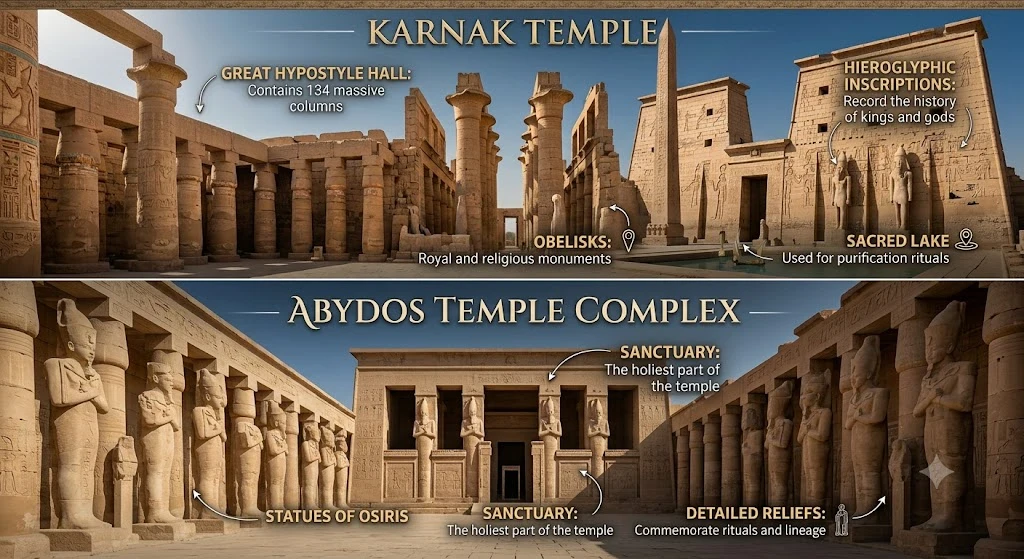
Once the wars had ended, Ahmose focused on rebuilding Egypt. He restored temples that had been damaged during the Hyksos occupation and sponsored religious and administrative construction projects throughout the country.
Among his most significant contributions were restoration works at the Temple of Karnak, helping revive one of Egypt's most important religious centers.
He was also closely connected with Abydos, where he commissioned memorial structures and funerary monuments that preserved his legacy for generations.
Economic Growth and Prosperity
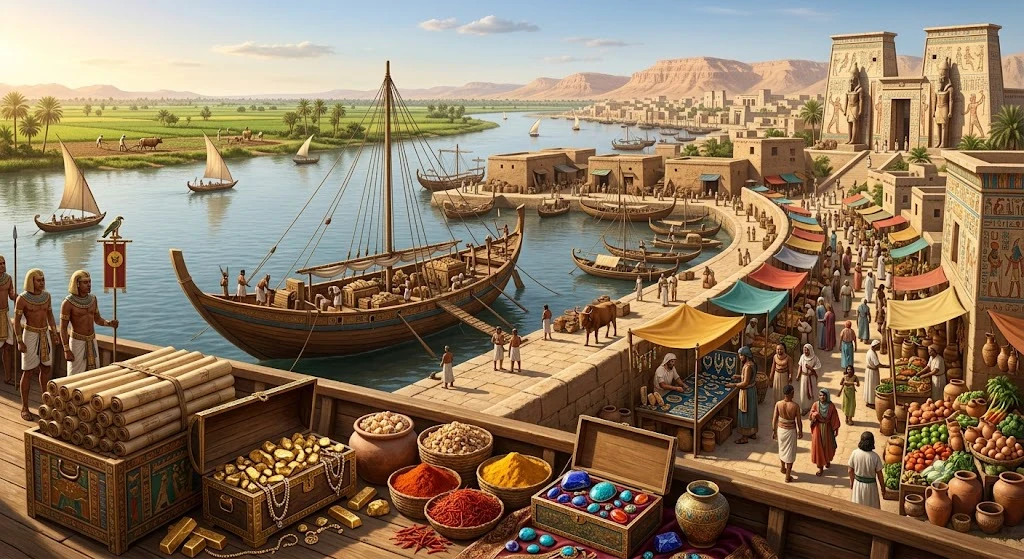
With peace restored, Egypt's economy flourished once again. Trade caravans resumed traveling between Egypt and neighboring regions, while expeditions to Nubia and Sinai brought back gold, copper, and precious stones.
Ahmose also reopened quarries and mines, encouraged agriculture, and improved irrigation systems. These efforts created a period of remarkable prosperity and stability for the Egyptian people after years of warfare.
The Death and Legacy of Ahmose
After years of remarkable achievements, Pharaoh Ahmose I passed away, leaving behind a legacy that would shape Egypt for centuries. He transformed the country from an occupied kingdom into a dominant regional power and became a lasting symbol of courage, patriotism, and visionary leadership.
Every great pharaoh who followed built upon the strong foundation he established. For this reason, historians regard Ahmose as the true founder of the New Kingdom, the golden age of ancient Egyptian civilization.
Conclusion
Pharaoh Ahmose I was far more than a victorious military leader—he was the man who changed Egypt's future forever. By defeating the Hyksos, reuniting the nation, rebuilding its economy, and strengthening its military, he paved the way for one of the greatest civilizations in world history. His inspiring story remains a timeless example of determination, leadership, and unwavering devotion to his homeland, securing his place among the greatest rulers the world has ever known.




please login to be able to comment