

Wings of Paper: How Children's Stories Shape the Minds and Values of Tomorrow's Leaders.
Wings of Paper: How Children's Stories Shape the Minds and Values of Tomorrow's Leaders
Introduction: The Magic of the First Word and Awakening of Consciousness
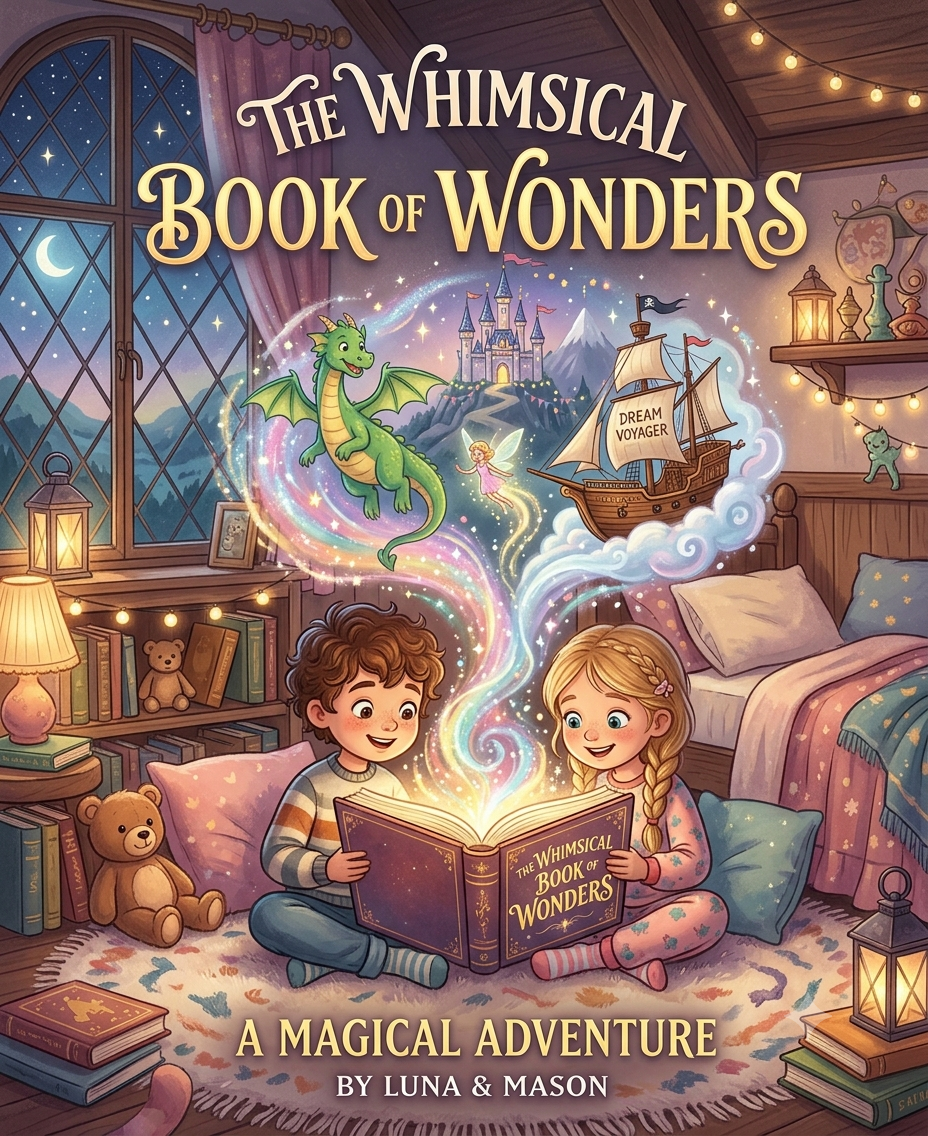
Humanity’s relationship with the vast universe begins with a simple tale. Long before a child learns to read the alphabet or decipher written words, the soothing tone of a parent's voice sharing a bedtime story acts as the first emotional bridge connecting them to the outside world. Children's stories are far from being mere fleeting entertainment to fill time, nor are they just clever tricks to induce peaceful sleep. Rather, they are highly impactful educational, psychological, and developmental tools. These narratives lay the solid foundation for building a child's personality, playing a pivotal role in defining their self-awareness, their outlook on life, and how they navigate future challenges.
Expanding Imagination and Stimulating Creative Synapses
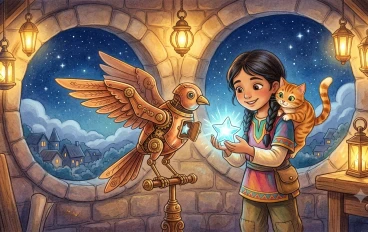
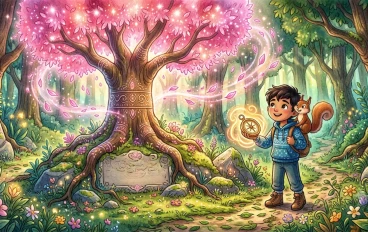
When a child listens eagerly to a story about a friendly flying dragon or a brave spaceship exploring undiscovered planets, their brain performs a highly complex visual and cognitive process. The mind actively transforms spoken words and abstract symbols into vibrant, moving mental pictures. This continuous daily mental exercise stimulates neural connections and cultivates out-of-the-box creative thinking skills. Imagination at this early stage is not an escape from reality or a waste of time. Instead, it is the primary mental laboratory where children learn how to solve problems in unconventional ways and discover the infinite possibilities and opportunities available in this wide world.
Building Advanced Emotional Intelligence and Bridges of Empathy
By stepping into the shoes of diverse story characters, children experience complex human emotions and alternative lives that their limited real-world experience cannot yet provide. They empathize deeply with a sad protagonist, rejoice sincerely at the triumph of the oppressed, and learn through events how to forgive a mistaken character and grant them a second chance. In psychology, this rich emotional experience is known as "indirect empathy," and it serves as a core pillar for developing emotional intelligence. Through it, the little ones learn how to identify and accurately name their own feelings. Over time, they become more capable of understanding others' emotions, reading expressions, and showing consideration in daily life—ensuring balanced social growth and a leadership-oriented personality capable of true connection.
Instilling Sublime Values and Morals Through Subtle Nuance
Direct preaching and issuing strict commands are often met with rejection or stubbornness by children, who naturally lean toward independence. Here, the story emerges as a magical educational tool that passes noble human values and morals with astonishing smoothness, completely bypassing resistance. When a child witnesses the consequences of greed and selfishness in the fable of "The Dog and His Shadow," or feels the importance of hard work and patience in "The Ant and the Grasshopper," these lessons are imprinted on their minds as personal convictions derived from their own analysis of events, rather than external dictation. Tales are the most powerful and enduring means of teaching honesty, courage, justice, and curiosity, embedding these principles into their conscience to accompany them throughout their lives.
Conclusion: The Most Enduring Intellectual Investment for Building Generations
In an era dominated by massive digital booms, electronic screens, and rapid, distracting visual content, the printed or spoken story remains the warm, safe haven protecting our children's minds from fragmentation. Allocating just ten minutes a day to read a story with a child does more than enrich their vocabulary and expand their knowledge; it builds warm emotional memories that time cannot erase and strengthens the bonds of trust and security between parents and children. When we open a book and read to our children, we are not merely telling a passing tale to make their eyes close and their bodies rest. We are lighting a bright intellectual flame to awaken their minds and illuminate their futures.