

في هذا المقال
توت عنخ آمون.. الملك الصغير الذي أبهر العالم
عندما نتحدث عن الحضارة المصرية القديمة، نجد العديد من الملوك الذين تركوا آثارًا عظيمة خلفهم، لكن توت عنخ آمون يحتل مكانة مختلفة تمامًا. فقد أصبح هذا الملك الشاب واحدًا من أشهر الشخصيات التاريخية في العالم، ليس بسبب طول فترة حكمه أو كثرة انتصاراته، وإنما بسبب اكتشاف مقبرته التي ظلت مخفية لآلاف السنين.
تولى توت عنخ آمون الحكم وهو في سن صغيرة جدًا، في فترة كانت مصر تمر خلالها بتغيرات دينية وسياسية مهمة. وكان عهده مرتبطًا بمرحلة شهدت محاولات لإعادة بعض المعتقدات والتقاليد الدينية التي كانت موجودة قبل فترة الإصلاحات الدينية التي حدثت في عهد الملك أخناتون.
كان توت عنخ آمون ملكًا صغير السن، ولذلك كان من حوله من رجال الدولة لهم دور مهم في إدارة شؤون البلاد. وعلى الرغم من أن فترة حكمه لم تكن طويلة، فإنها كانت جزءًا من مرحلة مهمة في تاريخ مصر القديمة. وقد ارتبط اسمه بإعادة الاستقرار إلى الحياة الدينية والسياسية بعد فترة من التغيرات.
توفي توت عنخ آمون وهو لا يزال شابًا، وظل اسمه لفترة طويلة أقل شهرة من أسماء بعض الفراعنة الآخرين. لكن بعد آلاف السنين، حدث اكتشاف غيّر مكانته في التاريخ الحديث بشكل كبير.
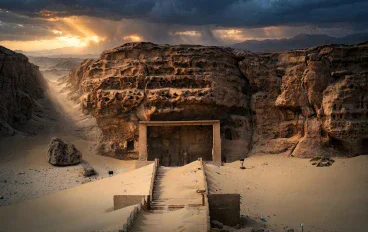
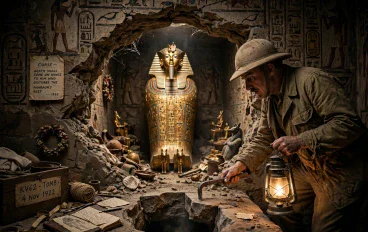
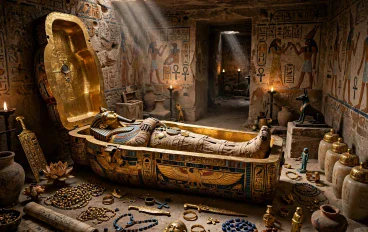
في عام 1922، تمكن عالم الآثار البريطاني هوارد كارتر من اكتشاف مقبرة توت عنخ آمون في وادي الملوك. كان هذا الاكتشاف من أهم الاكتشافات الأثرية في التاريخ، لأن المقبرة احتوت على عدد ضخم من القطع التي بقيت محفوظة بشكل جيد نسبيًا.
عثر الباحثون داخل المقبرة على أثاث ملكي، وتماثيل، ومجوهرات، وصناديق، وأسلحة، وعربات، وأدوات مختلفة، بالإضافة إلى العديد من القطع المرتبطة بالدفن والحياة الملكية. وقد أعطت هذه الأشياء العلماء فرصة نادرة لمعرفة تفاصيل عن الفن والحرف والعادات والطقوس في مصر القديمة.
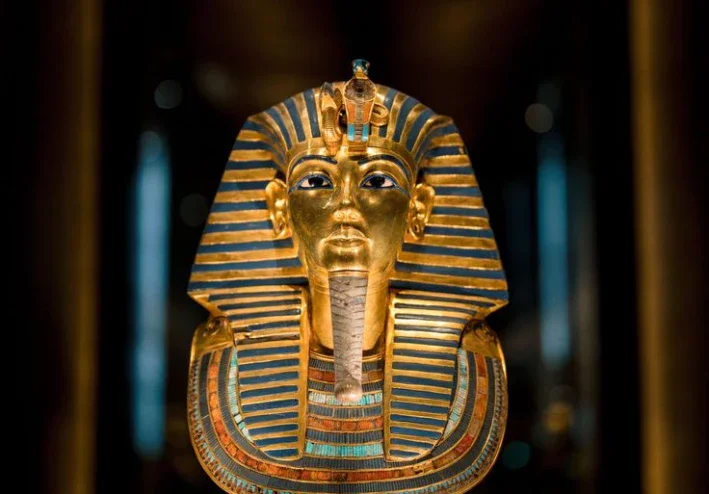
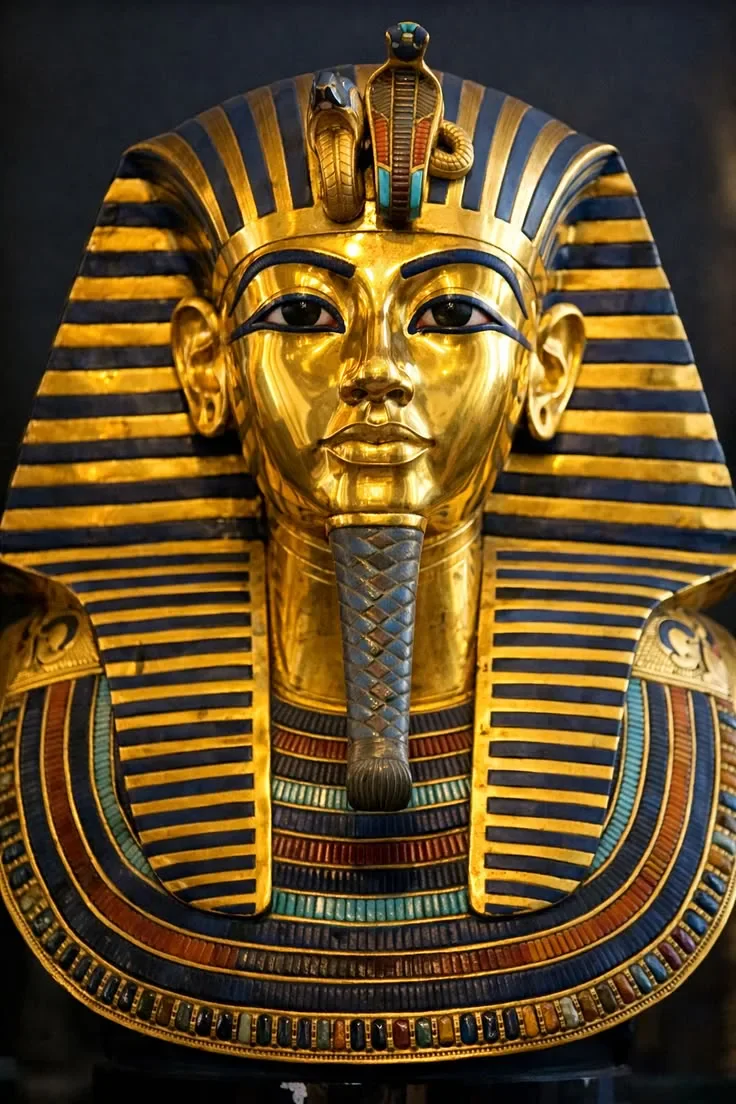
ومن أشهر القطع الموجودة في المقبرة القناع الجنائزي الذهبي لتوت عنخ آمون. أصبح هذا القناع من أكثر القطع الأثرية شهرة في العالم، وأصبح بالنسبة للكثير من الناس رمزًا للحضارة المصرية القديمة. ويتميز بتفاصيل دقيقة تظهر مستوى المهارة الذي وصل إليه الفنانون المصريون القدماء.
لكن قيمة المقبرة لا ترتبط بالذهب والكنوز فقط. فالقطع الموجودة بداخلها ساعدت العلماء على دراسة الحياة اليومية والملابس والأثاث والأسلحة والمعتقدات الدينية والفنون في تلك الفترة. كما ساعدت في تكوين صورة أوضح عن الطريقة التي كان المصريون القدماء ينظرون بها إلى الموت والحياة الأخرى.
وقد أثار اكتشاف المقبرة اهتمامًا عالميًا كبيرًا، وأصبحت قصة توت عنخ آمون موضوعًا للكتب والأفلام والمعارض والمتاحف. كما سافر العديد من الناس حول العالم لمشاهدة القطع الخاصة به والتعرف على تاريخ مصر القديمة.
وتظل قصة توت عنخ آمون مثالًا واضحًا على أهمية علم الآثار. فملك شاب حكم مصر منذ آلاف السنين استطاع أن يصبح شخصية عالمية بفضل اكتشاف واحد أعاد جزءًا من الماضي إلى الحياة.
إن توت عنخ آمون ليس مجرد اسم لفرعون قديم، بل أصبح رمزًا للغموض والجمال والإبداع الذي تميزت به الحضارة المصرية القديمة. وحتى اليوم، تستمر الدراسات والأبحاث حول حياته ووفاته ومقبرته، مما يجعل قصته واحدة من أكثر القصص إثارة للاهتمام في التاريخ.
تابع جديد Ayat M. Zain
اختر إشعارات الموقع أو البريد أو الاثنين. الزائر يقدر يشترك ببريده دون تسجيل حساب.
الإبلاغ عن المقال
لو لاحظت مشكلة في المحتوى، أرسلها لفريق المراجعة. لن تظهر بياناتك لكاتب المقال أو للقراء.
تعذّر إرسال البلاغ الآن. حاول مرة أخرى لاحقًا.
سجّل الدخول لإرسال بلاغ




النقاش
التعليقات (0)
فكرة تضيفها، أو سؤال يفتح حوارًا.
الرجاء تسجيل الدخول لتتمكن من التعليق