

في هذا المقال
Hieroglyphics: The Sacred Language of Stone and Eternity | ATHARSTORY STUDIO (Part 1 of 4)
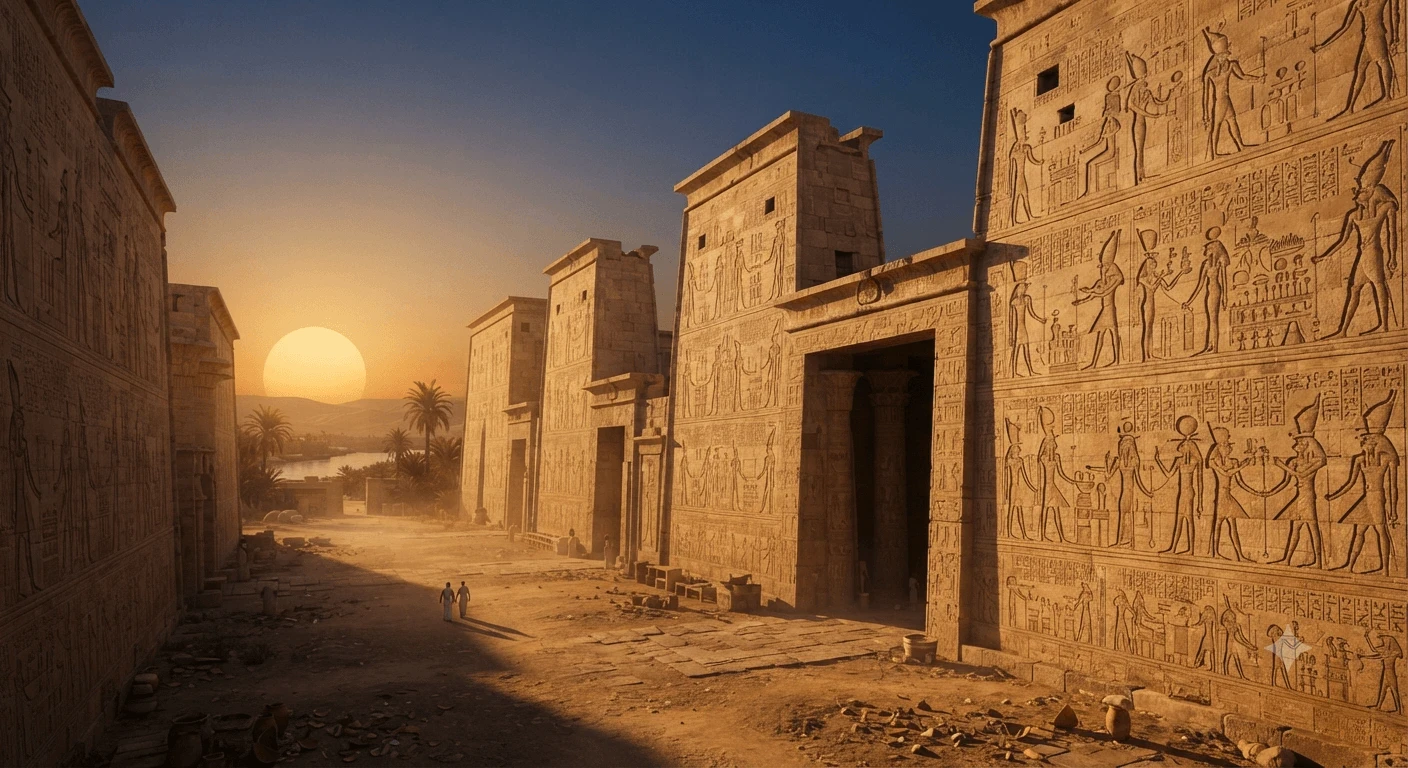
Alt Text: "Ancient Egyptian temple walls covered in sacred hieroglyphic carvings captured by ATHARSTORY STUDIO."
Introduction: The Voice of the Gods
Welcome to the first part of our exclusive 4-part series here at ATHARSTORY STUDIO where we embark on a journey to decode the evolution of ancient Egyptian writing. In this first installment we are focusing entirely on Hieroglyphics—the "God's Words" that recorded the history of an entire civilization on stone, forever. For the ancient Egyptians writing was not just a tool for communication it was a magical act, a way to make their existence permanent in the eyes of the gods.
What are Hieroglyphics?
The word "Hieroglyph" comes from the Greek meaning “Sacred Carving” Unlike modern alphabets this script was a highly complex system of pictograms, symbols, and phonetic sounds. It wasn't just a language it was an art form that required immense precision and years of rigorous training to master A single hieroglyph could represent an object, a sound, or even a sophisticated abstract idea. The beauty of this script lies in its duality: it was both highly functional for administrative needs in its early stages and deeply aesthetic designed to decorate the grandest architectural wonders of the ancient world.
The Scribe’s Tool: Carving Eternity
The life of an ancient Egyptian scribe was centered around the mastery of these signs. While common people spoke the language, only the elite scribes and priests could translate these symbols into powerful messages for the Pharaohs and the gods. The process of carving into stone was a slow, deliberate labor. It ensured that their legacy would survive thousands of years a testament to their deep desire for immortality and cosmic order known as Ma'at Scribes were the architects of history, and their pens—or rather, their chisels—were the most powerful weapons in the kingdom.
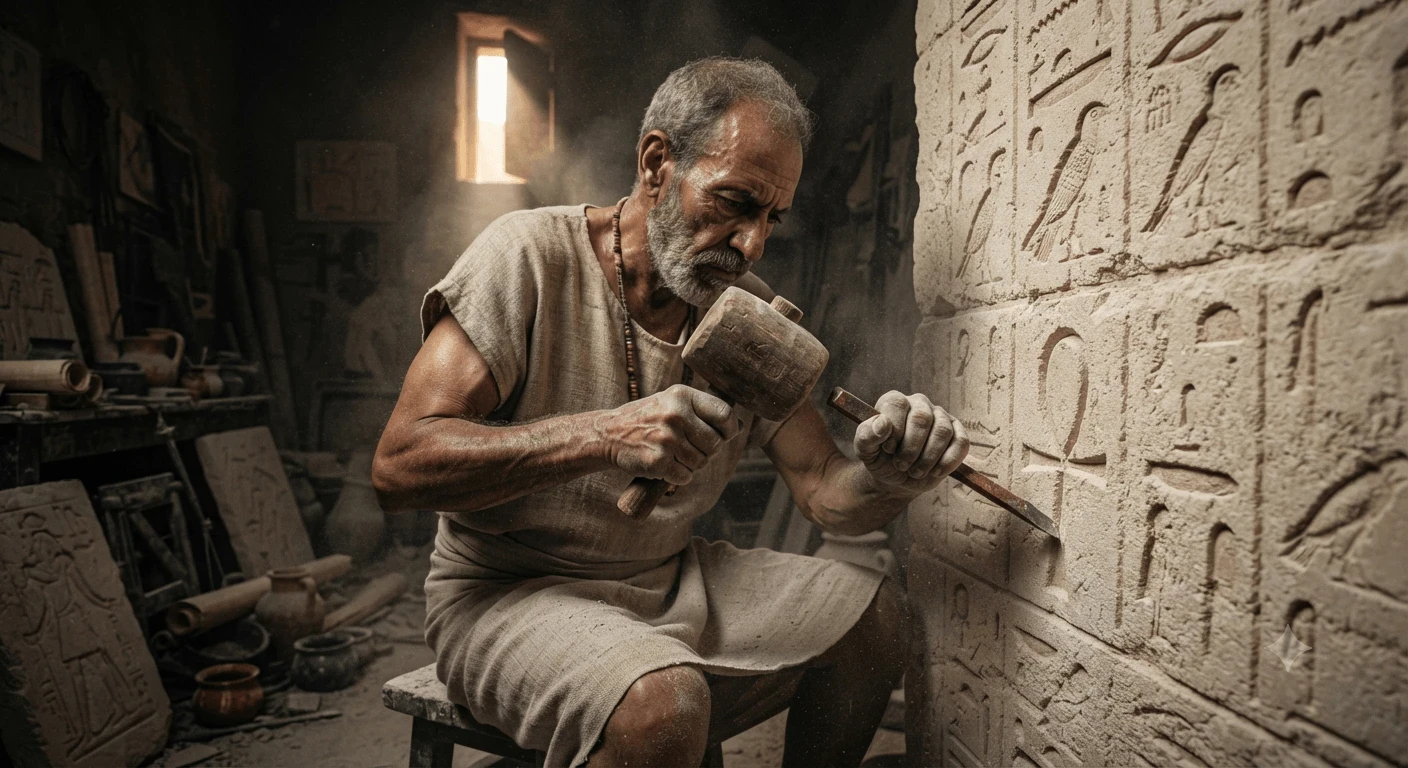
Alt Text: "Ancient Egyptian scribe carving hieroglyphics into stone."
The Legacy of the Sacred Script
Even after the rise of faster more cursive scripts Hieroglyphics remained the official script for royal decrees religious texts and temple decorations. They are the reason we can still hear the stories of Tutankhamun, Ramses the Great, and the legendary queens of Egypt today. They turned the silence of history into a vivid permanent narrative that transcends time and space.
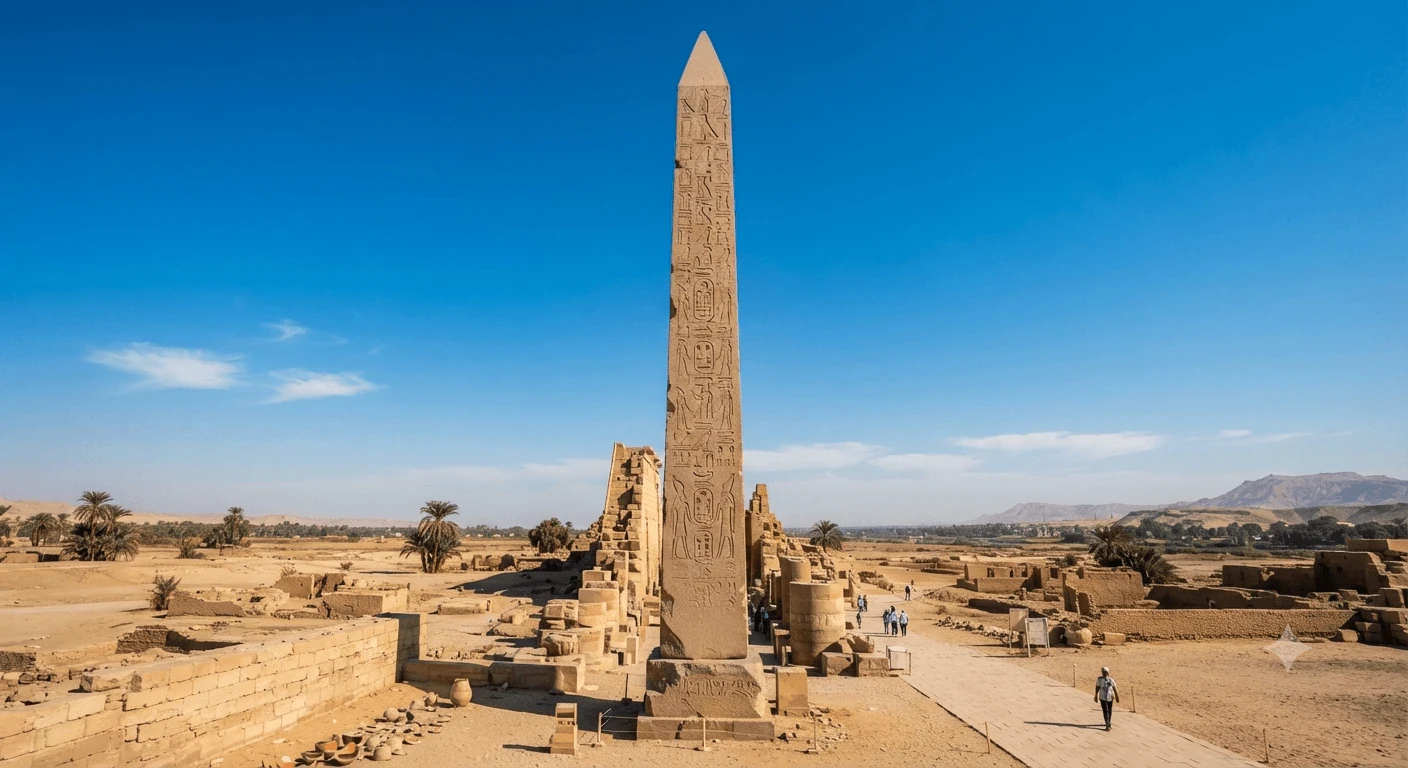
Alt Text: "Grand Egyptian obelisk featuring detailed hieroglyphic inscriptions."
Q&A: Unlocking the Secrets of the Sacred Script
Question: Why did the Egyptians use such a complex system instead of a simple alphabet?
Answer: Because it was designed for monumental architecture Hieroglyphics served as a bridge between the human world and the divine realm. Every symbol had a spiritual purpose representing both a physical object and a deeper concept that they believed needed to last for eternity. The complexity was intentional it kept the sacred knowledge within the hands of the initiated.
Question: How does this ancient art influence our world today?
Answer: Think of hieroglyphics as the "ancestor" of modern branding and graphic design. Today, we use logos, icons, and emojis to convey complex meanings instantly just like the Egyptians used symbols to represent entire concepts. Their legacy of visual communication is the foundation upon which our modern, media-driven world is built. Even today the way we design user interfaces or create global brand identities echoes the Egyptian effort to make information universal and timeless Just like we use digital icons to break language barriers, hieroglyphics were the original universal code.
Conclusion: Beyond the Stone
The hieroglyphic script was the foundation of Egyptian identity. But as the needs of the empire grew the Egyptians needed something faster and more practical for daily administration which leads us to the next chapter of our series.
Join the Journey!
Did you enjoy uncovering the secrets of the stones? This is just the first step of our 4-part journey. Follow ATHARSTORY STUDIO as we move from the stone monuments of the Pharaohs to the secret Hieratic priests, the commoner's Demotic, and finally the Coptic script!
Comment below: If you could carve one message into a temple wall to be read 5,000 years from now, what would it be?
Sources & Further Reading
The Oxford History of Ancient Egypt – Ian Shaw
Egyptian Grammar – Alan Gardiner
Ancient Egyptian Writing – The British Museum Archives
تابع جديد atherstory studio
اختر إشعارات الموقع أو البريد أو الاثنين. الزائر يقدر يشترك ببريده دون تسجيل حساب.
الإبلاغ عن المقال
لو لاحظت مشكلة في المحتوى، أرسلها لفريق المراجعة. لن تظهر بياناتك لكاتب المقال أو للقراء.
تعذّر إرسال البلاغ الآن. حاول مرة أخرى لاحقًا.
سجّل الدخول لإرسال بلاغ




النقاش
التعليقات (0)
فكرة تضيفها، أو سؤال يفتح حوارًا.
الرجاء تسجيل الدخول لتتمكن من التعليق