

في هذا المقال
King Oyo of Tooro: The Boy King Who Grew Into a Lasting Royal Legacy
Introduction
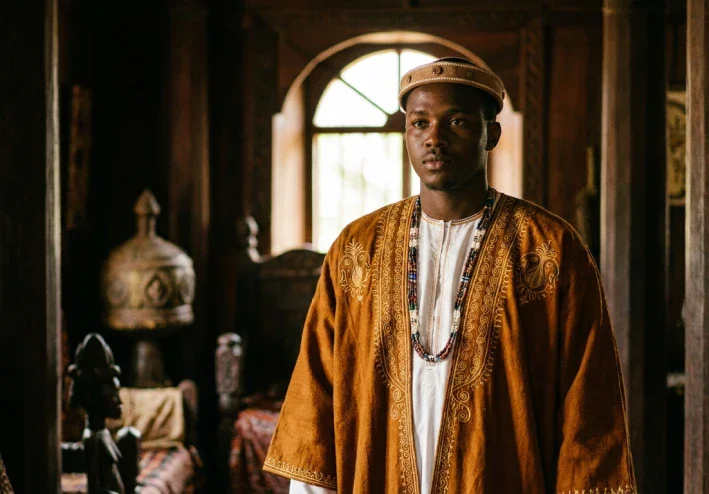
Few royal stories begin as unexpectedly as that of King Oyo Nyimba Kabamba Iguru Rukidi IV of Uganda’s Tooro Kingdom. In 1995, a three-year-old child suddenly found himself at the center of one of Uganda’s most important traditional institutions after the death of his father.
For much of the world, Oyo became known simply as the “boy king.” But behind that extraordinary title was a much longer story: a childhood shaped by royal responsibility, a transition into adulthood under public attention, and more than three decades connected to the cultural life of the Tooro people.
King Oyo died on August 27, 2026, at the age of 34. His death brought an end to a remarkable chapter in the modern history of Tooro and opened a new and complicated conversation about the future of the kingdom.
Who Was King Oyo of Tooro?
King Oyo’s full royal name was Rukirabasaija Omukama Oyo Nyimba Kabamba Iguru Rukidi IV.
He was born on April 16, 1992, in Uganda. His father was King Patrick David Matthew Kaboyo Olimi III, while his mother is Queen Mother Best Kemigisa.
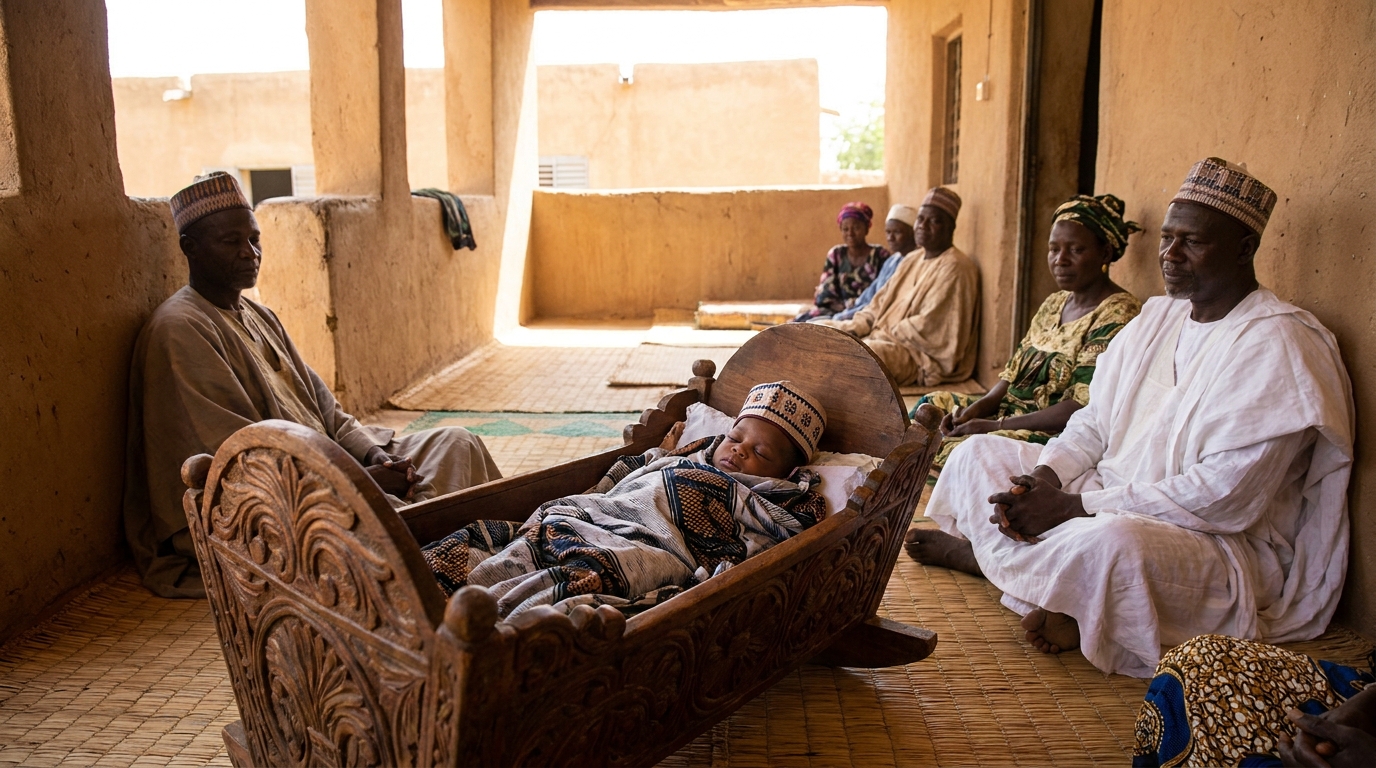
When his father died in August 1995, Oyo was only three years old. On September 12 of that year, he ascended the throne of the Tooro Kingdom.
The official Tooro Kingdom biography states that his accession made him the world’s youngest reigning monarch at the time and placed his name in the Guinness World Records.
The Tooro Kingdom and Its Place in Uganda
To understand King Oyo’s story, it is important to understand what the Tooro Kingdom represents.
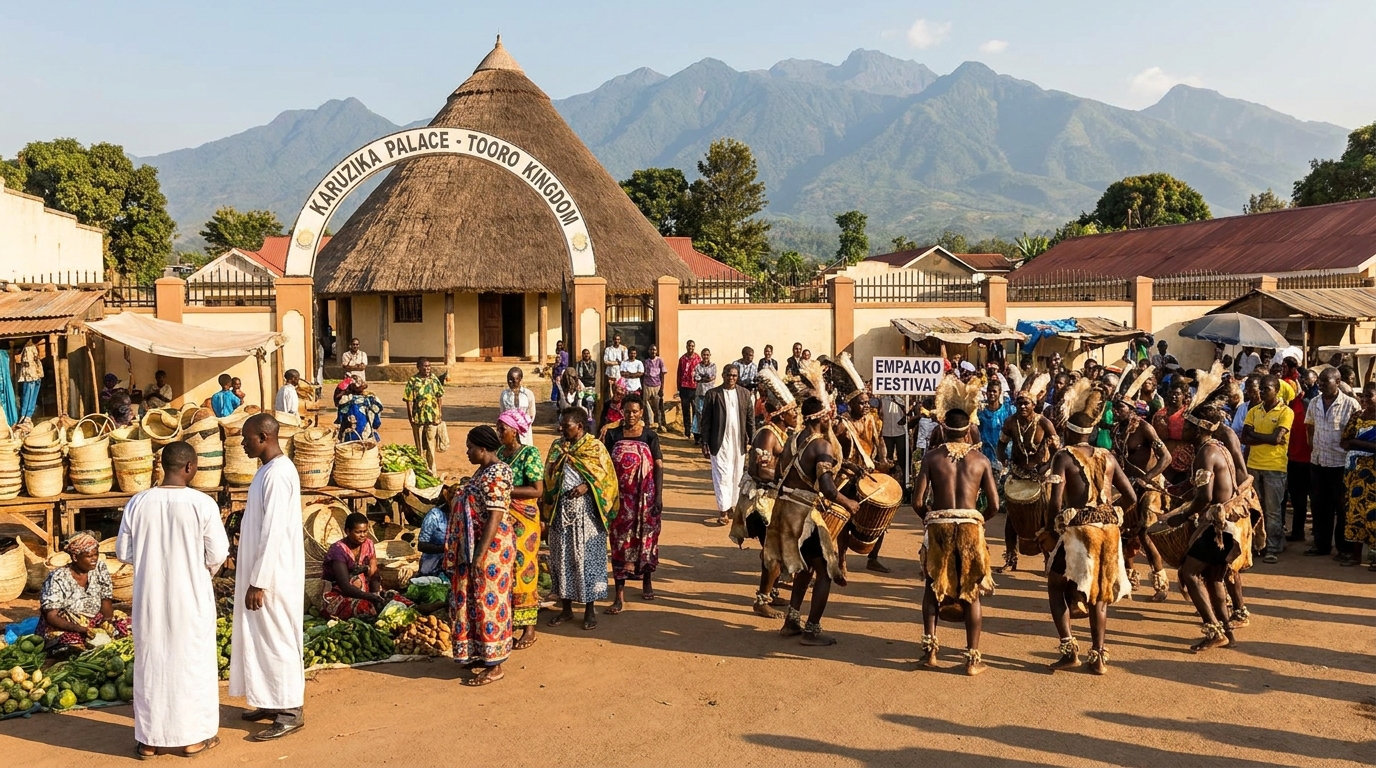
Tooro is one of Uganda’s traditional kingdoms. Unlike a modern sovereign state, the kingdom does not exercise governmental power over Uganda. Its importance is primarily cultural, traditional and social.
The institution survived major political changes in Uganda and was restored in 1993 after traditional kingdoms had previously been abolished.
This distinction matters because being called a king in modern Uganda does not mean having the same political authority as the head of a sovereign country.
Instead, the Omukama serves as an important cultural figure and symbol for the Batooro people.
That role gave Oyo a unique position from childhood: he was young enough to attend school like other children, yet his name and position carried the weight of a centuries-old royal tradition.
A Three-Year-Old Becomes King
Imagine being three years old and suddenly becoming responsible for a royal institution.
That was the unusual beginning of Oyo’s reign.
Traditional ceremonies surrounded his accession, while adults were responsible for helping manage the affairs of the kingdom as he grew older.
Because of his age, Oyo could not personally perform all the responsibilities expected of an adult monarch. His childhood therefore became a balancing act between ordinary education and extraordinary public duties.
He had to grow up knowing that his life was not entirely private.
His education, appearances and development were followed by people inside and outside Uganda. International attention also turned him into one of the most recognizable young monarchs in Africa.
Growing Up Behind the Crown
As Oyo grew older, the story gradually changed.
The three-year-old boy who had attracted headlines around the world became a young man with his own interests, education and responsibilities.
According to biographical information published by the Tooro Kingdom, Oyo attended schools in Uganda and spent part of his early education in London. He later attended Kampala International School Uganda before continuing his higher education in the United Kingdom.
He graduated from the University of Winchester in 2013 with a degree in Business Management.
This period was important because it showed another side of the young monarch.
Oyo was no longer simply the child king appearing in photographs. He was becoming an educated adult who had to decide what kind of royal figure he wanted to become.
From Boy King to Adult Monarch
One of the most interesting parts of Oyo’s story was the transition from childhood symbolism to adult responsibility.
Being famous for becoming king at three was something that happened to him. Growing into the role was something he had to do himself.
As an adult, Oyo became associated with initiatives involving young people, development, health and environmental issues.
The Tooro Kingdom has also highlighted his interest in creating opportunities for younger generations and in giving the traditional institution a more modern outlook.
That combination of tradition and modern thinking became an important part of his public identity.
He represented an older institution while living in a world dominated by technology, international communication and rapidly changing expectations of leadership.
King Oyo and the Younger Generation
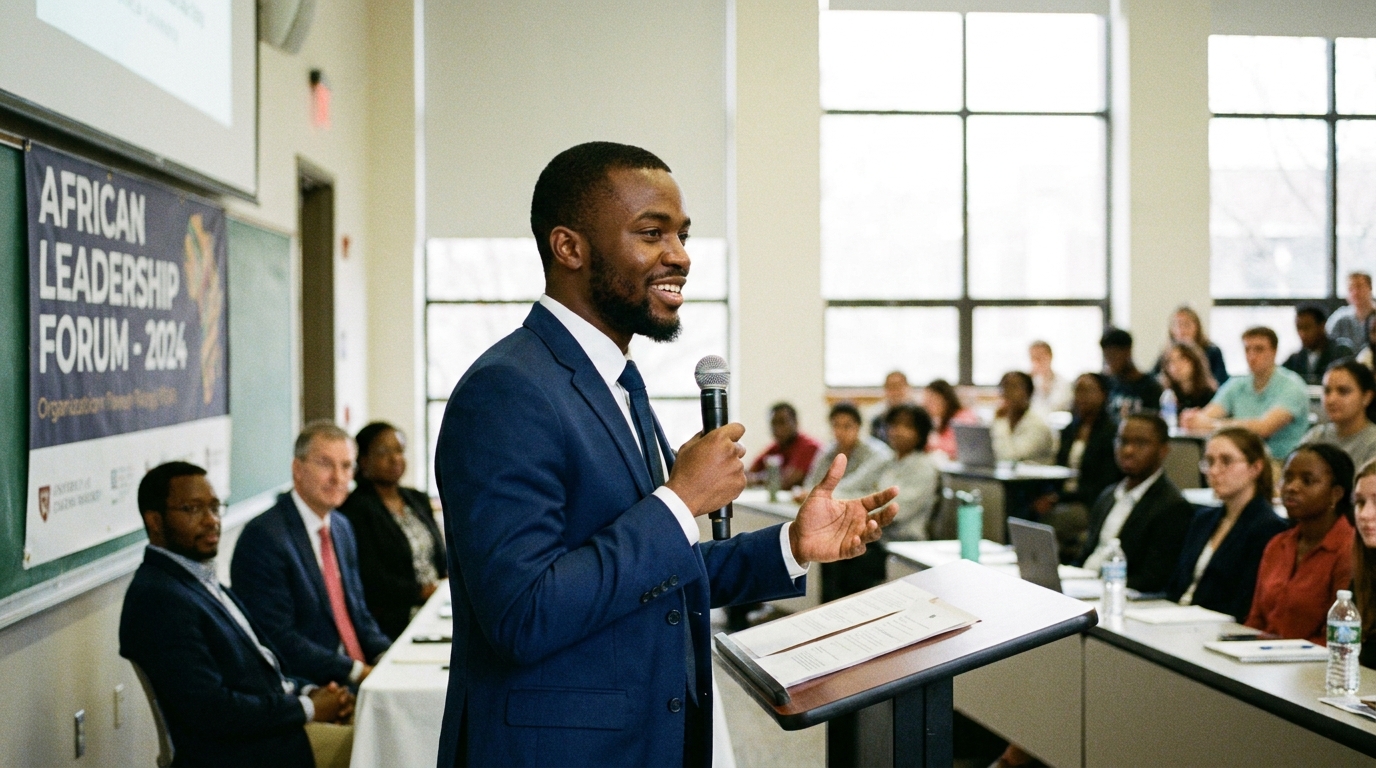
Perhaps one of the strongest parts of Oyo’s legacy is the way his story connected royalty with youth.
He became king before he was old enough to understand what the title meant.
Millions of young people around the world could therefore look at his life and see a person who had grown up under extraordinary circumstances.
His public work increasingly focused on the idea that young people should have opportunities to participate in the future of their communities.
The message was particularly significant in Uganda, where youth form a major part of the population.
Oyo’s own journey—from a three-year-old royal heir to an educated adult monarch—gave that message a personal dimension.
His International Recognition
King Oyo was not known only inside Uganda.
His unusual accession brought international media attention from an early age, making him one of the most recognizable traditional rulers in Africa.
His position also brought him into contact with international personalities and public figures.
Over the years, stories about the young monarch appeared in international media, while his connection to the Tooro Kingdom gave him a public profile that was unusual for a traditional ruler whose kingdom had no sovereign political authority.
This international recognition helped keep attention on Tooro and its cultural traditions.
What Did King Oyo Accomplish?
It would be too simple to measure Oyo’s reign only by political achievements because the Tooro monarchy does not function as a conventional government.
His influence was more closely connected to culture, youth, development and the public identity of the kingdom.
During his reign, the monarchy continued to operate as an important cultural institution for the Batooro people.
Oyo also became associated with efforts aimed at modernizing the image of the kingdom and encouraging younger people to think about education, opportunity and community development.
His legacy therefore cannot be reduced to one building, one law or one political decision.
For a traditional monarch, influence can also be measured by the ability to preserve identity while allowing an old institution to remain relevant to a new generation.
The Final Chapter of King Oyo’s Life
In 2026, Oyo’s story took an unexpected and tragic turn.
He died on August 27, 2026, in the United States at the age of 34. Reuters reported that he had been receiving medical treatment for cancer.
His death shocked people across Uganda and beyond.
For many Ugandans, Oyo had been a familiar figure for almost his entire life. There were people who had watched him become king as a child and then watched him grow into adulthood.
His death therefore felt like the end of an era rather than simply the passing of a public figure.
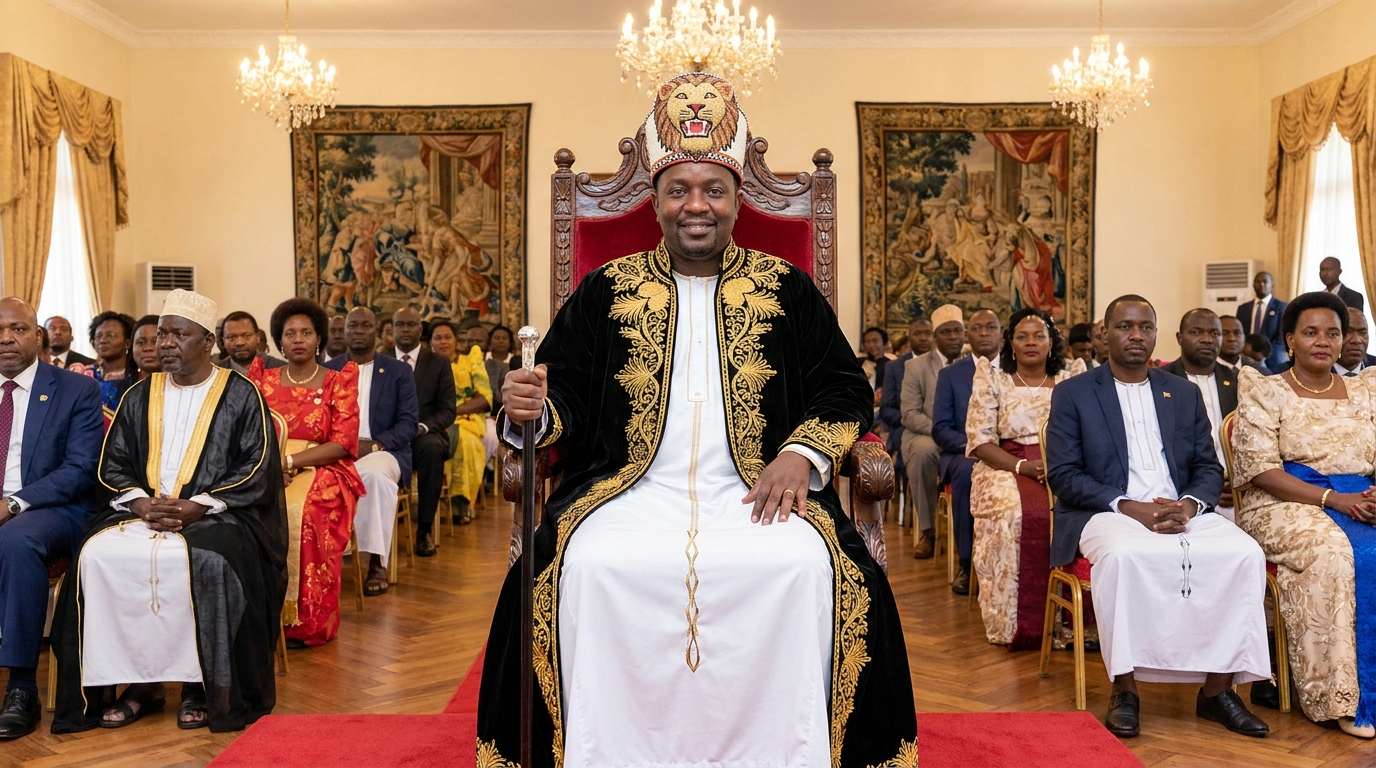
The Funeral and the Beginning of a New Chapter
Following his death, Tooro entered a period of mourning.
His body was returned to Uganda, and traditional ceremonies were prepared ahead of his burial at the Karambi Royal Tombs in Fort Portal.
The burial ceremonies brought together members of the royal family, traditional leaders, mourners and delegations from different parts of the region.
The ceremonies were not simply about saying goodbye.
They also represented the transition between one generation of the Tooro monarchy and whatever comes next.
The Succession Question
Oyo’s death has also created an unexpected succession dispute.
Reports have stated that members of the royal succession process selected his cousin, Edward Rukidi Kijanangoma, as the next monarch.
However, members of Oyo’s family have challenged the decision, saying that Oyo had identified a biological son as his heir in a will.
The identity and status of the reported heir have become part of an ongoing dispute, while traditional authorities and other parties have been involved in determining the appropriate succession process.
Because the situation is still developing, it is important not to treat every claim surrounding the succession as settled fact.
What happens next could have an important effect on the future direction of the Tooro Kingdom.
Why King Oyo’s Story Matters
King Oyo’s story is unusual because it connects several different worlds.
It is a story about African royal tradition, childhood, education, modern leadership and cultural identity.
He inherited a throne before he could understand its meaning. He grew up under international attention. He studied abroad. He became an adult in a rapidly changing Uganda. And eventually, after more than three decades associated with the throne, he left behind a kingdom facing its next generation.
His life also shows that traditional leadership can survive without being the same thing as political government.
A modern king may not make national laws or command a government, yet he can still carry enormous symbolic importance for a community.
That was the world King Oyo occupied.
King Oyo’s Legacy
The most memorable image of King Oyo may always be the little boy who became king at three.
But that image tells only the beginning of the story.
The adult Oyo spent decades growing into a role that had been placed on his shoulders before he was old enough to choose it.
His legacy will be discussed through the cultural work of the Tooro Kingdom, his interest in youth and development, his public presence and the remarkable circumstances of his life.
The future will eventually determine how historians judge the full impact of his reign.
For the people of Tooro, however, his legacy is more personal.
He was not simply the world’s famous “boy king.”
He was their Omukama.
Final Thoughts
King Oyo Nyimba Kabamba Iguru Rukidi IV lived a life that was extraordinary from the very beginning.
He became king at three, grew up under an unusual level of public attention, completed his education, and spent more than 30 years connected to the leadership and cultural identity of the Tooro Kingdom.
His death at 34 brought a premature end to that journey.
As Tooro moves forward, the debate over succession will eventually give way to a new chapter. But whatever happens next, King Oyo’s place in the history of the kingdom is already unique.
He entered history as a child king.
He left it as a monarch whose entire life was connected to the story of his people.

Sources & Further Reading
Tooro Kingdom — His Royal Majesty King Oyo Nyimba Kabamba Iguru Rukiidi IV
Official biography and information about King Oyo’s accession and royal history.
https://toorokingdom.org/his-royal-majesty-king-oyo-nyimba-kabamba-iguru-rukiidi-iv/
Tooro Kingdom — Official Website
Official information about the Tooro Kingdom and its royal institution.
Reuters — Ugandan King Oyo Nyimba, once world’s youngest monarch, dies at 34
Recent reporting on Oyo’s death and his historical role.
Reuters — Ugandan kingdom gripped by succession battle after monarch’s death
Recent reporting on the developing succession dispute.
Associated Press — Uganda set to bury onetime ‘boy king’ whose death has sparked a succession battle
Reporting on Oyo’s funeral, legacy and succession controversy.
https://apnews.com/article/dab5fe53f1ff8f964576eb2b848934df
Uganda Media Centre — Government of Uganda
Official government communications and information.
Disclaimer
This article is intended for informational and educational purposes. Details concerning the succession of the Tooro Kingdom are developing, and claims that remain disputed should be understood as reported claims rather than established facts.
تابع جديد Basle
اختر إشعارات الموقع أو البريد أو الاثنين. الزائر يقدر يشترك ببريده دون تسجيل حساب.
الإبلاغ عن المقال
لو لاحظت مشكلة في المحتوى، أرسلها لفريق المراجعة. لن تظهر بياناتك لكاتب المقال أو للقراء.
تعذّر إرسال البلاغ الآن. حاول مرة أخرى لاحقًا.
سجّل الدخول لإرسال بلاغ



النقاش
التعليقات (0)
فكرة تضيفها، أو سؤال يفتح حوارًا.
الرجاء تسجيل الدخول لتتمكن من التعليق